
Books &
Magazine Features
I'm a writer and visual artist drawn to overlooked histories, anonymous vintage photos, and the overlaps of art, technology and cultures.
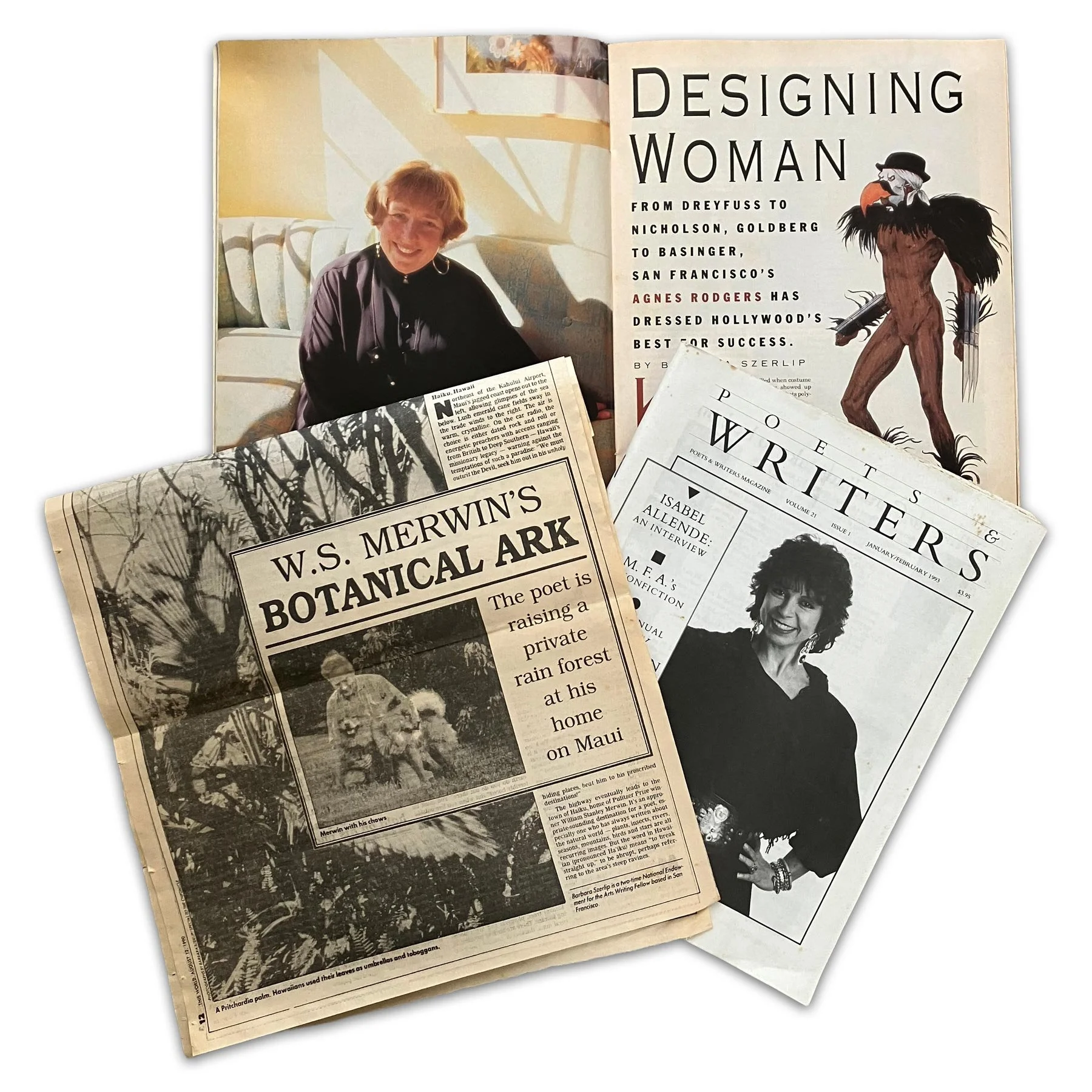
Writer
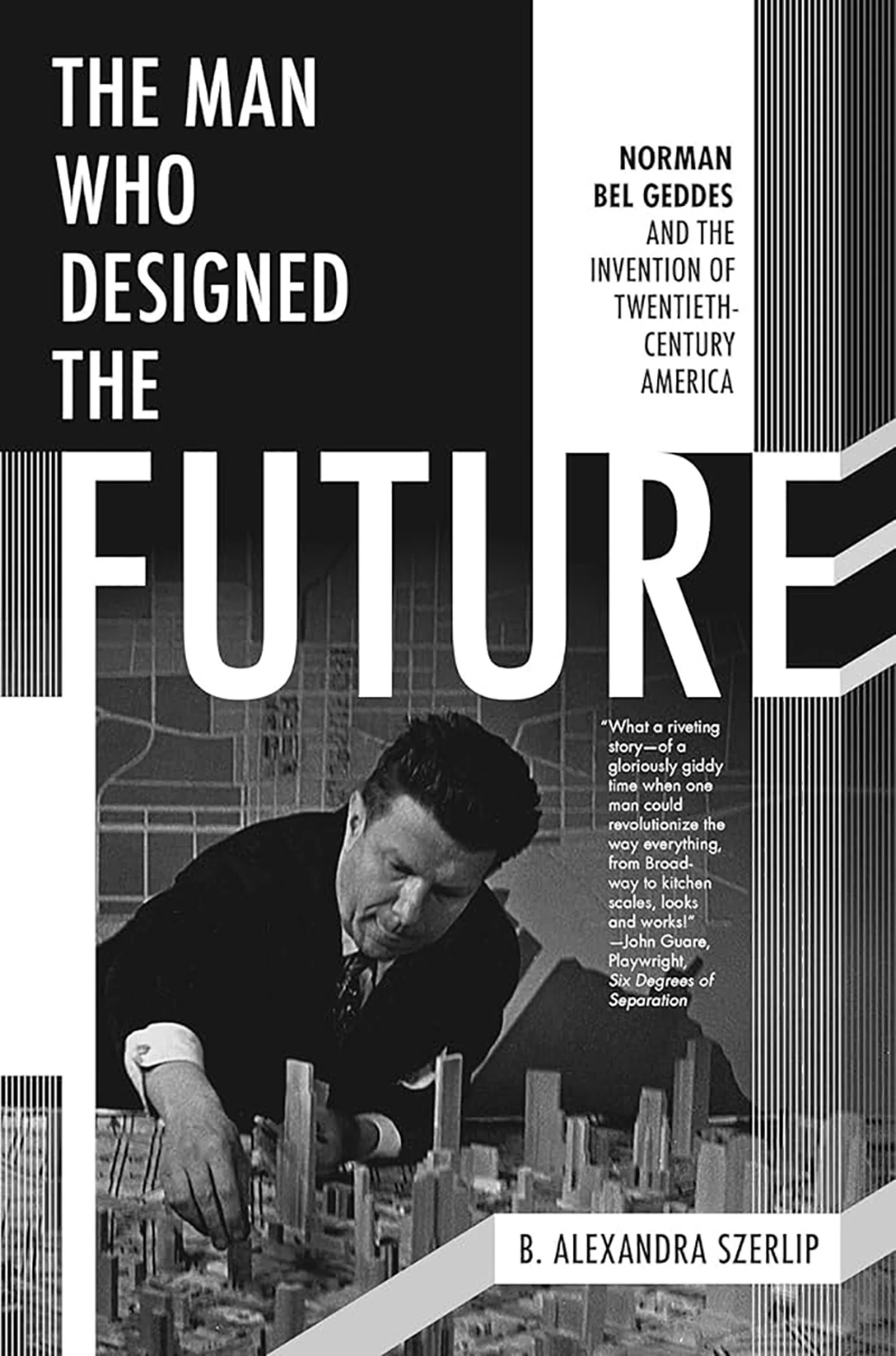
B. Alexandra Szerlip is the author of The Man Who Designed the Future: Norman Bel Geddes and the Invention of Twentieth Century America, which was voted one of the Top Ten Art Books of 2017 by the American Library Association.
She is a two-time National Endowment of the Arts Fellow, a two-time Yaddo Fellow, MacDowell Fellow, runner-up for London's Lothian Prize for a first biography-in-progress (the first American finalist in the Lothian's then-eleven-year history), and recipient of a 2019 Excellence in Journalism award from the Society of Professional Journalists (despite the fact that she doesn't consider herself a journalist).
Recent articles by Szerlip have appeared in Paris Review Daily, Berfrois and Rabbit Hole (Asia's answer to The New Yorker), and she created The Believer's "Vintage Tech" column. Current projects include an illustrated history of F.F. Coppola's iconic Sentinel Building in San Francisco and an exploration of how bioluminescence has informed human imagination throughout history.




Rediscovery of a man ahead of his time
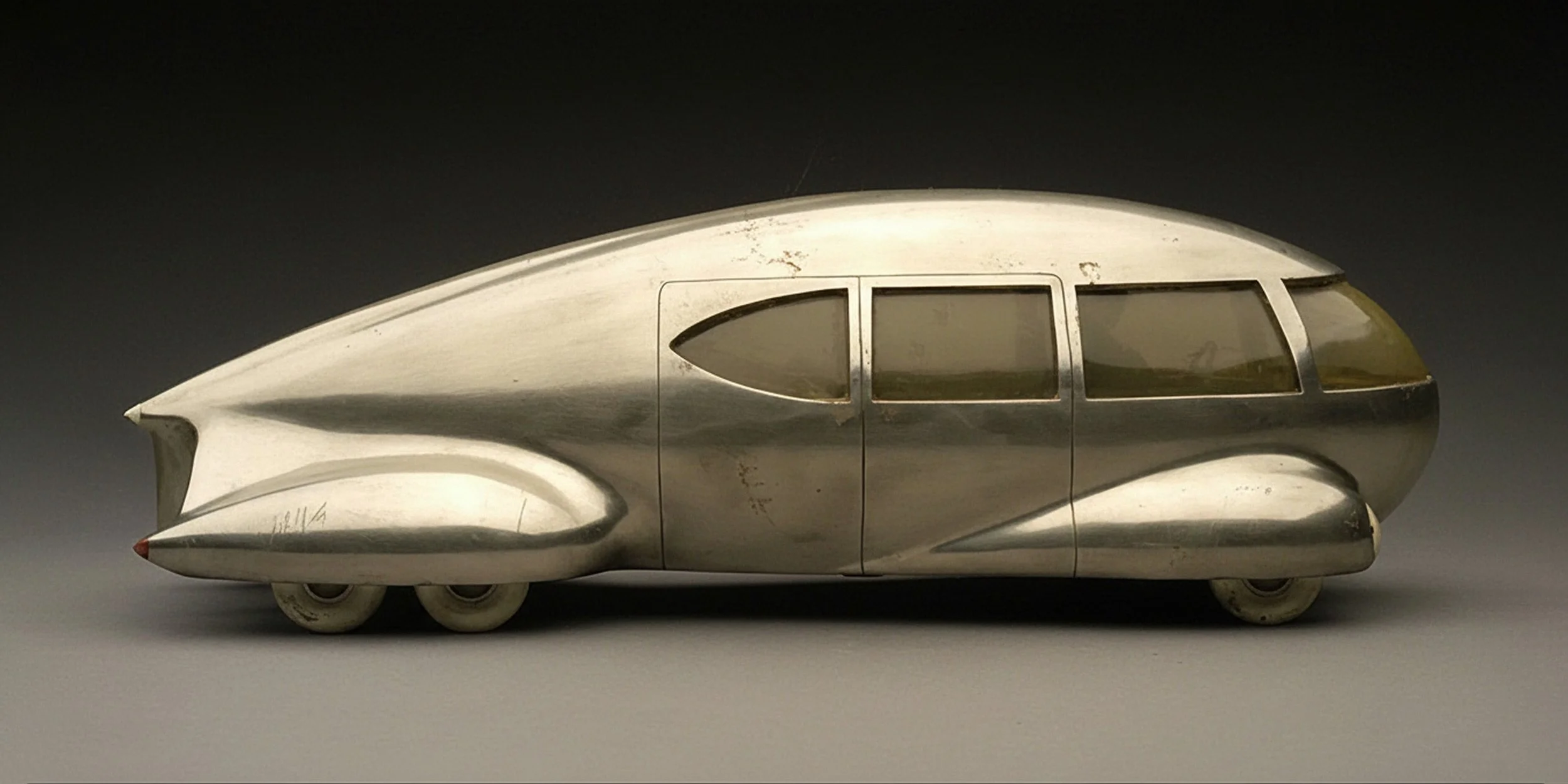
Before there was Steve Jobs, there was Norman Bel Geddes.
A ninth-grade dropout who found himself at the center of the worlds of industry, advertising, theater, and even gaming, Bel Geddes designed everything from the first all-weather stadium, to Manhattan's most exclusive nightclub, to Futurama, the prescient 1939 exhibit that envisioned how America would look in the not-too-distant 60s.
In The Man Who Designed the Future, B. Alexandra Szerlip reveals precisely how central Bel Geddes was to the history of American innovation. He presided over a moment in which theater became immersive, function merged with form, and people became consumers. A polymath with humble Midwestern origins, Bel Geddes' visionary career would launch him into social circles with the Algonquin roundtable members, stars of stage and screen, and titans of industry.
Light on its feet but absolutely authoritative, this first major biography is a must for anyone who wants to know how America came to look the way it did.


VOTED ONE OF TOP TEN ART BOOKS OF 2017
The Man Who Designed the Future: Norman Bel Geddes and the Invention of Twentieth Century America
-
![]()
Szerlip … is a fine biographer …. But beyond that, she is a very fine writer, with a novelistic knack for creating characters that actually existed (not all biographers can do this) and a feel for period detail that is always pertinent, immediate and vivid …. I know how hard that is when a writer can invent everything. Szerlip does it with the truth of a life.
—John Crowley, veteran Yale University Creative Writing professor,
author of 12 novels, recipient of American Academy of Arts & Letters Award for Literature -
![]()
I have marveled at the wide-ranging topics [Szerlip} has taken on to write about in recent years. If I could impress upon you [one of her] single greatest qualities … it is her intellectual curiosity.
—Robert Flynn Johnson, curator emeritus
Achenbach Foundation of Graphic Arts at the Fine Arts Museum of San Francisco -
![]()
Szerlip’s landmark biography … is one of the finest studies of any pioneer of 20th century American design …. Her range of interests is extraordinary. She writes with learning and wit about some curious episodes in cultural history …. She is also an ingenious and accomplished artist. Her assemblages test distinctions between craft and art. Her style as a portraitist is uniquely witty.
—Stephen Bayley, Chevalier de l’Ordre des Arts et Lettres, Chairman of the Royal Fine Art Commission Trust (London).
Author of dozens of design books and exhibition catalogs



Books in progress
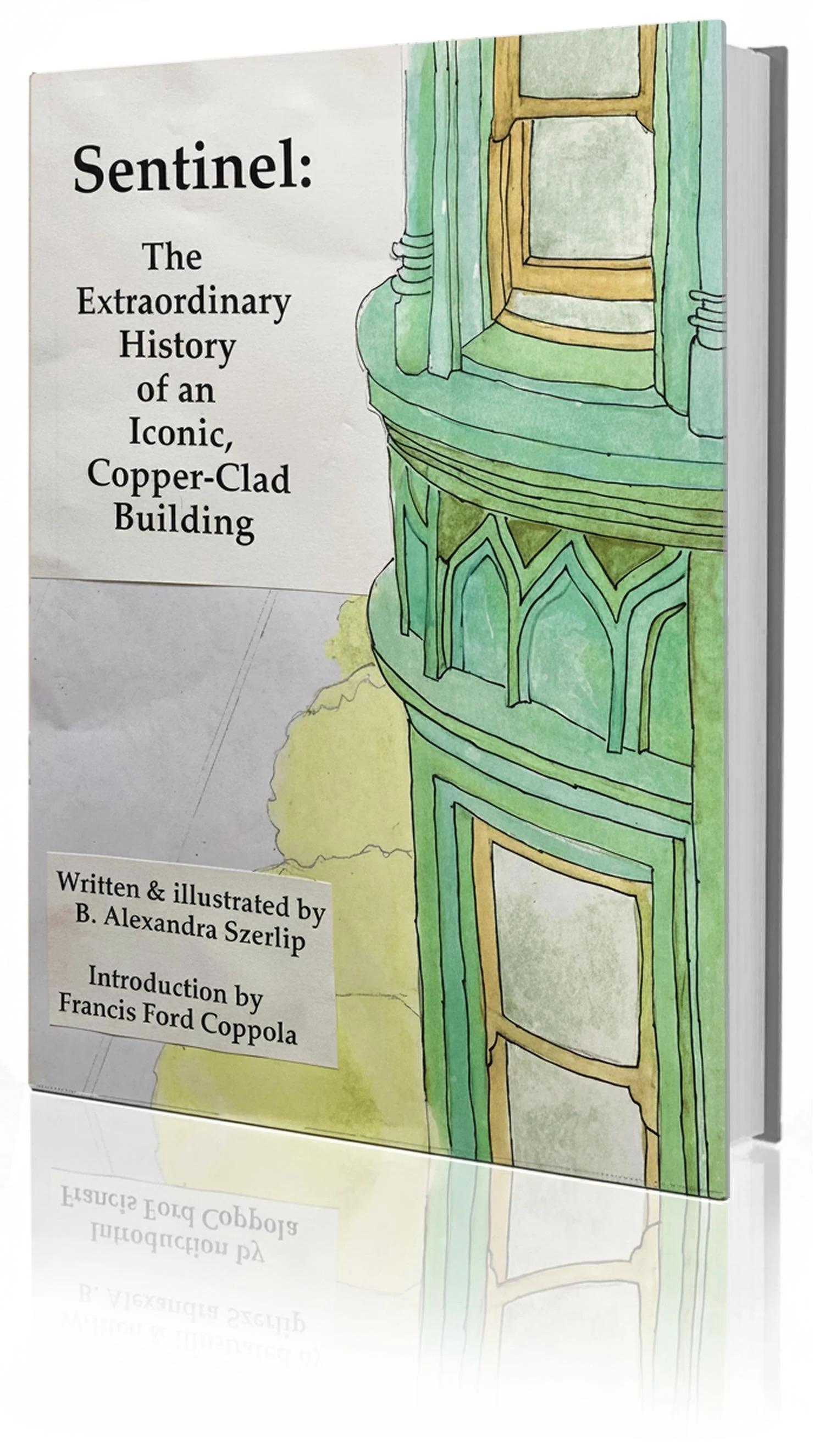
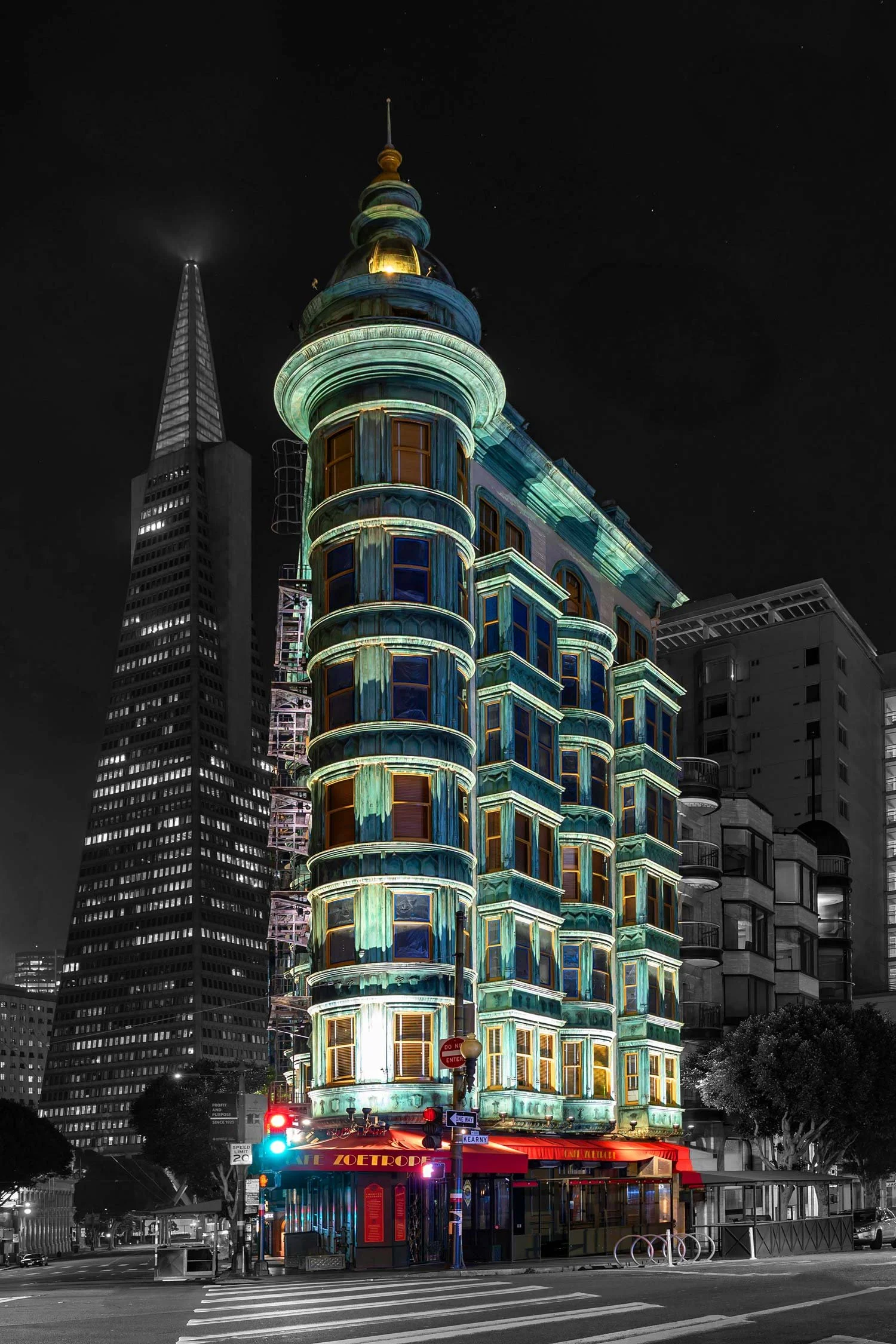
Sentinel: The Extraordinary History of an Iconic Copper-Clad Building, with introduction by F.F. Coppola
A tale of corrupt politicians and gangland murder, provocative Chinatown night clubs and dangerous Barbary Coast saloons, drug busts and opera singers, 'black and tan' clubs and beatniks.... With appearances by Jelly Roll Morton, Enrico Caruso, the Kingston Trio, Lenny Bruce, Diego Rivera, Allen Ginsberg and many more.
Introduction
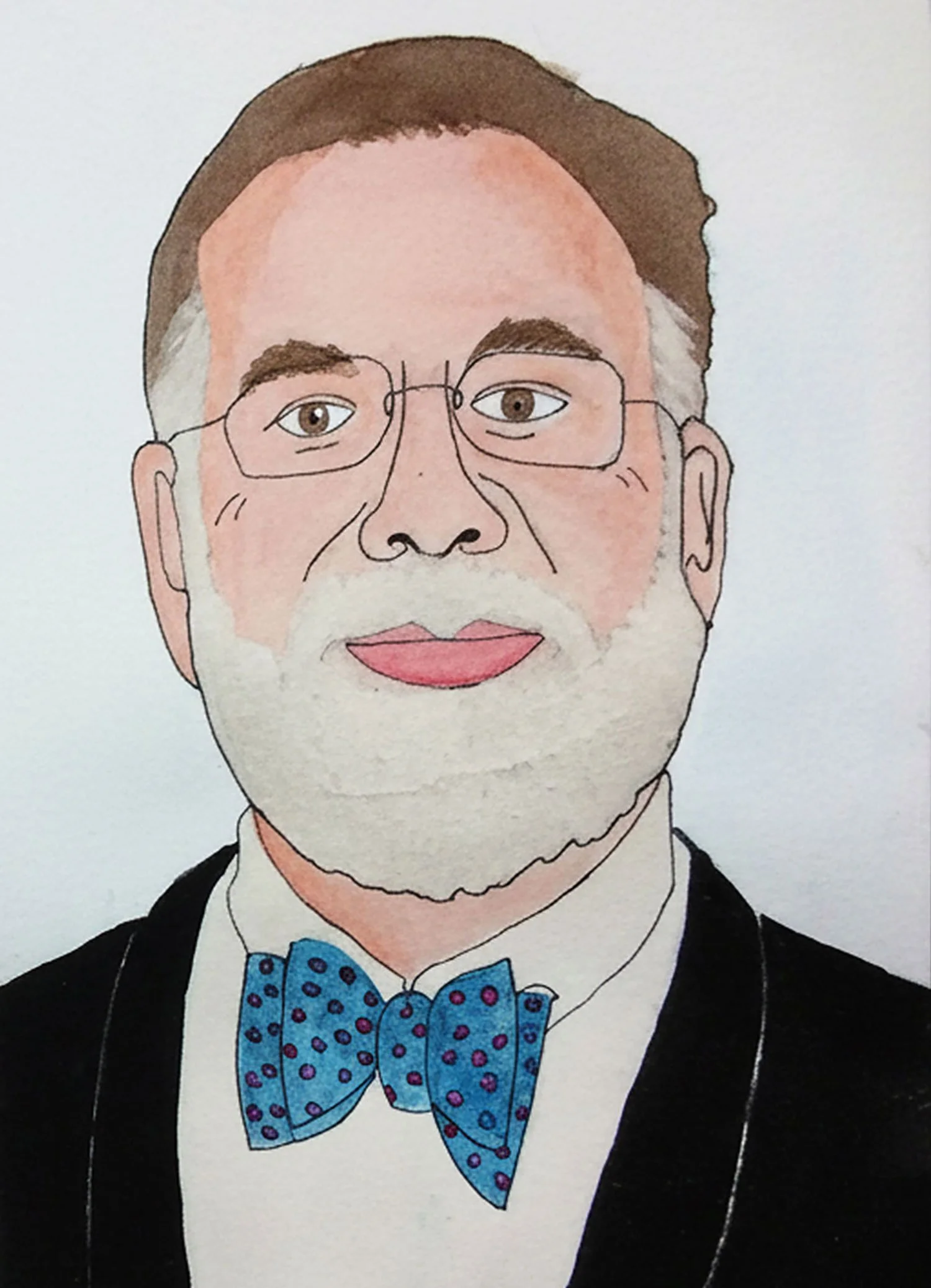
by Francis Ford Coppola
The history of the Sentinel Building is, in many ways, the history of San Francisco – and by extension, a reflection of 20th century America.
It’s the story of a unique, somewhat quirky building that has attracted and fostered creative talent from its earliest days.
In a country that prides itself on “the new” and “the latest thing,” it has managed to survive amid more than a century of radical changes.
New York’s Pennsylvania Station, Singer Building, Hippodrome and Cornelius Vanderbilt Mansion, Chicago’s Federal Building, Los Angeles’ Hayvenhurst and its Brown Derby Restaurant all admired, all beloved – were not so lucky. In the name of progress, some gave way to banks, others to parking lots.
In 2018, when S.F.’s Clift Hotel changed hands, overzealous developers made plans to demolish its magnificent Redwood Room -- an irreplaceable local treasure since 1933-- and intentionally kept those plans “quiet.” The room was “renovated” rather than razed only because word leaked out over the Internet at the eleventh hour, inciting a huge public protest.
Such losses result in a kind of cultural amnesia.
To borrow a line from Hamlet, “We shall not see their likes again.” Except, perhaps, recreated on a Hollywood sound stage.
In my case, the Sentinel began as “love at first sight” and evolved, over more than half a century, into an enduring affair of the heart. It’s impossible to imagine my life, and work, without having had the Sentinel Building as an anchor and, yes, an inspiration.
Cold Light: How Bioluminescence Shaped Human Imagination
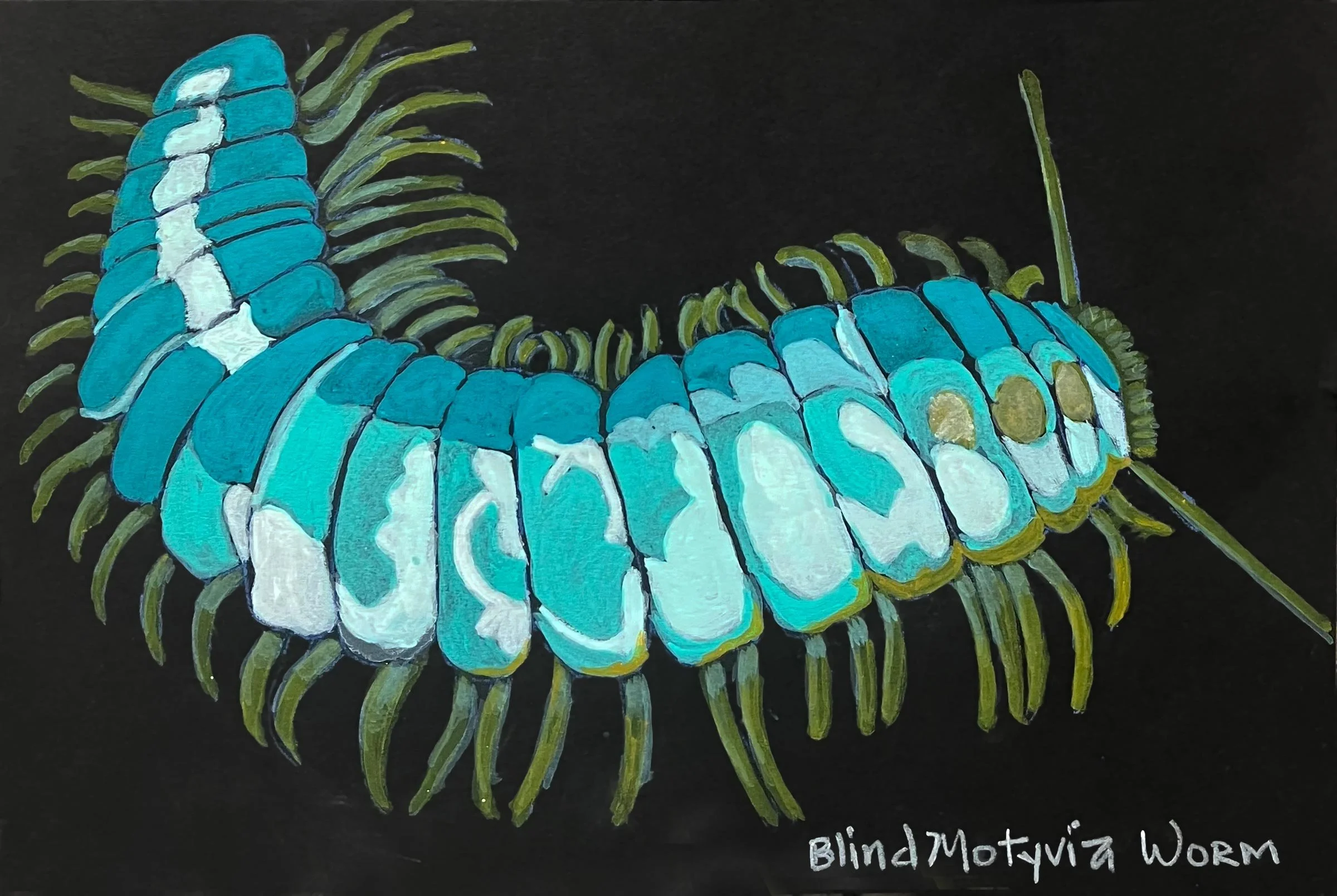
At MacDowell in 2022, I began work on a creative exploration of bioluminescence and human imagination. Working in Calderwood studio for a month, with its huge skylight, picture windows, and its wall-length cork board, proved an ideal space for thinking about and organizing a vast amount of information. I also began a series of acrylic illustrations to augment the text.
Selected articles
-
Sleeper Agents
Rabbit Hole
January 28, 2021 -
Shunga: Beyond "Edo Porn"
Rabbit Hole
November 9, 2020 -
The Controversial Legacy of Charlie Chan
Rabbit Hole
June 2020 -
The Cutthroat Truffle Industry
Rabbit Hole
March 5, 2020 -
The Mezcal Invasion
Rabbit Hole
January 24, 2020 -
Melting Palaces
Rabbit Hole
September 4, 2019 -
Sex Slavery in San Francisco's Chinatown
Rabbit Hole
August 10, 2019 -
The Subversive History of Japanese Tattoos
Rabbit Hole
July 2, 2019 -
Vintage Tech #5: Invisible Ink
The Believer
June 6, 2019 -
Kitsune: The Japanese Fox Trickster
Rabbit Hole
May 30, 2019 -
Vintage Tech #4: Tyrian Purple
The Believer
April 16, 2019 -
21st Century Prehistoric: The Contradictory Dance of Gators and Men
The Believer
February 14, 2019 -
Vintage Tech #3: Learn While You Sleep (Hypnopaedia)
The Believer
December 17, 2018 -
Vintage Tech #2: Ballpoint Pen
The Believer
October 30, 2018 -
Sonata for the Dispossessed: Mexicans in 1930s San Francisco
Berfrois, London
May 22, 2014
Lorem ipsum dolor sit amet, consectetuer adipiscing elit, sed diam nonummy nibh euismod tincidunt ut laoreet dolore magna aliquam erat volutpat.The Right Book is like a bat that swoops & clings unexpectedly, moving through our darkness like a denser dark, yet always on target, directed by echoes, swayed by resonance. And the resonances remain long after the specific words that bred them have been forgotten. We are revealed to ourselves, we feel these dark scratches were composed expressly & singularly for us—even by us. We are astonished to find ourselves moved by the hieroglyphic breath of a stranger who may not even have spoken our language, who may have died years, decades, generations before we were born and whose orphaned light has been traveling all this time in search of us.
—B. Alexandra Szerlip
Frequently Asked Questions
-
Two illustrated books are in the works. (TBA).
-
In my art studio. Researching in a library. On the sofa reading something for pleasure. On my bicycle. At the flea market. Dancing!
-
NY Times, Wall Street Journal, Harper's, The Believer, Lapham's Quarterly, Paris Review ... on and on.
-
Seriously?
-
I do, on occasion, consider “outside” projects, when time allows. Feel free to get in touch to discuss your project.
Complete the form here.
-
To explore your writing opportunity together, complete the form here.
-
I am interested in editorial positions with local, national and international media and book publishers. To explore your editorial opportunity together, complete the form here.
-
Please share your speaking opportunity by contacting me via my contact form.
-
Thank you for thinking of me for your writer residency. Please share the invite with me via completing my contact form.